Choosing the right pavement for a commercial parking lot is an important decision for property owners, business managers, and facility operators. After all, a parking lot does more than provide space for vehicles. It also influences customer experience, pedestrian safety, property appearance, and long-term maintenance expenses. Therefore, understanding asphalt vs. concrete for commercial parking lots: which is better for Bay Area properties? can help you make a more informed investment.
Both asphalt and concrete offer practical advantages. However, each material performs differently depending on traffic volume, site conditions, installation requirements, maintenance practices, and budget. For example, asphalt is often attractive to property owners seeking efficient installation and straightforward repairs. Conversely, concrete may be suitable for locations that experience heavy vehicle loads, frequent turning, or repeated stopping.
Moreover, the Bay Area presents specific considerations, including seasonal rainfall, varied terrain, coastal moisture, and differences in commercial traffic. Consequently, selecting the right paving material requires more than comparing initial installation prices.
Jobco Paving provides paving-related services that commercial and residential property owners can explore when planning pavement improvements. By evaluating your property’s needs, comparing material options, and establishing a practical maintenance strategy, you can choose a surface that supports long-term performance.
Understanding Asphalt Paving for Commercial Parking Lots
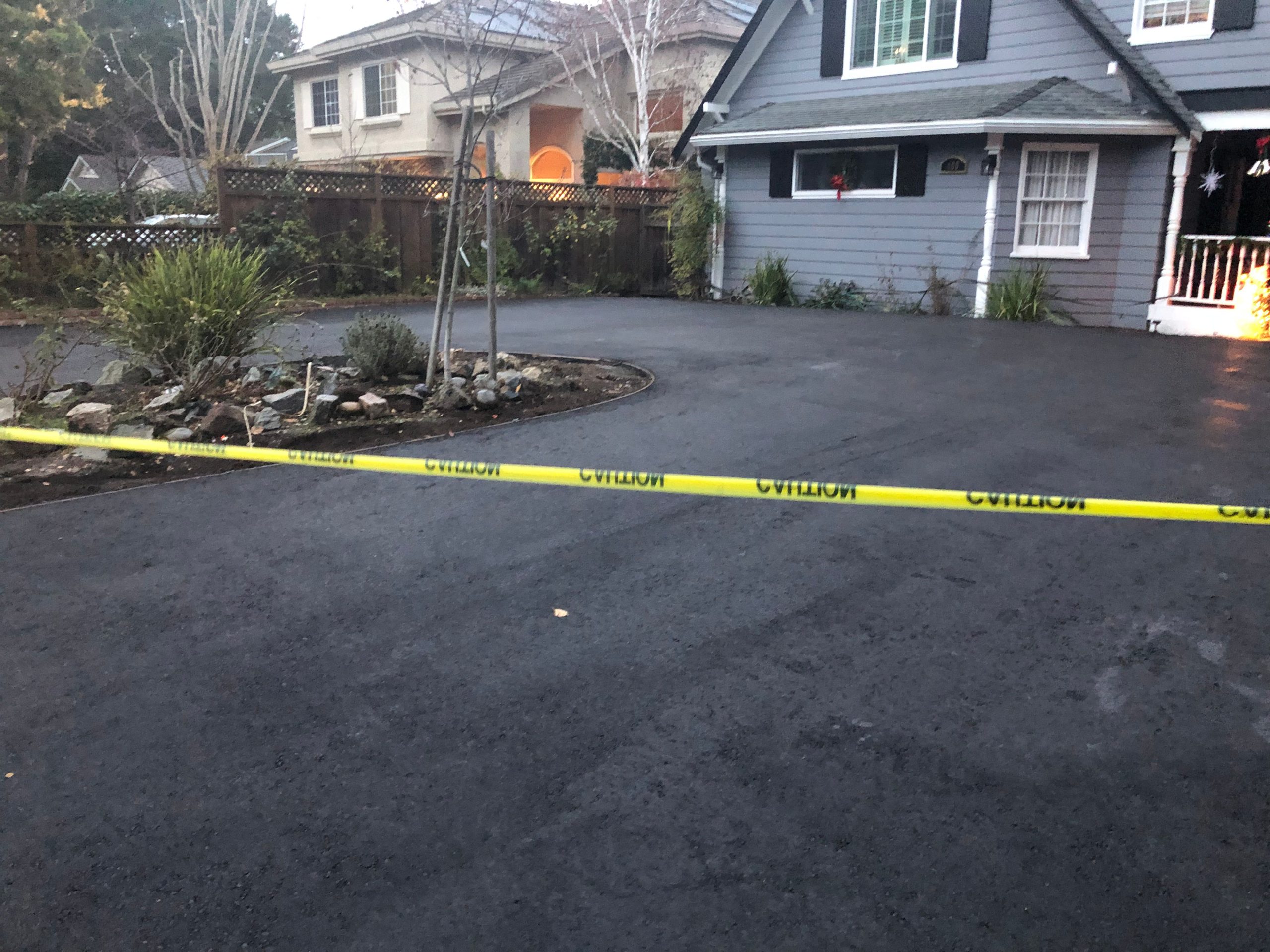
Asphalt combines aggregates with an asphalt binder to create a flexible pavement material. Contractors widely use it to pave parking areas, driveways, access roads, and other surfaces because its construction characteristics make it suitable for these applications.
One of asphalt’s main advantages is its flexibility. Rather than behaving like a rigid slab, asphalt can accommodate certain movements in the underlying pavement structure. However, its performance still depends on proper site preparation, drainage, pavement thickness, and construction quality.
Furthermore, asphalt can be convenient when a commercial property needs resurfacing or localized repairs. Depending on the project’s size and condition, sections of the pavement may be repaired without replacing the entire parking lot.
Common benefits of asphalt parking lots include:
- Efficient installation: Asphalt projects can often be completed relatively quickly when site conditions and weather cooperate.
- Practical repairs: Property owners can repair certain cracks, potholes, and damaged areas through localized maintenance.
- Smooth driving surfaces: Properly installed asphalt provides a consistent surface for vehicle movement.
- Flexible pavement structure: Asphalt can accommodate some movement without behaving like a rigid concrete slab.
- Straightforward resurfacing options: Existing asphalt may sometimes be rehabilitated with an appropriate overlay.
- Clear pavement markings: Parking spaces, directional arrows, and accessibility markings can be applied to suitable asphalt surfaces.
Nevertheless, asphalt requires regular inspection and maintenance. Without appropriate care, oxidation, water infiltration, cracking, and heavy traffic can gradually damage the pavement.
For property owners who want to understand asphalt applications in more detail, Jobco Paving offers residential asphalt driveway paving services. Although this service focuses on residential driveways, it provides a starting point for exploring asphalt paving and its potential applications.
Understanding Concrete Paving for Commercial Parking Lots
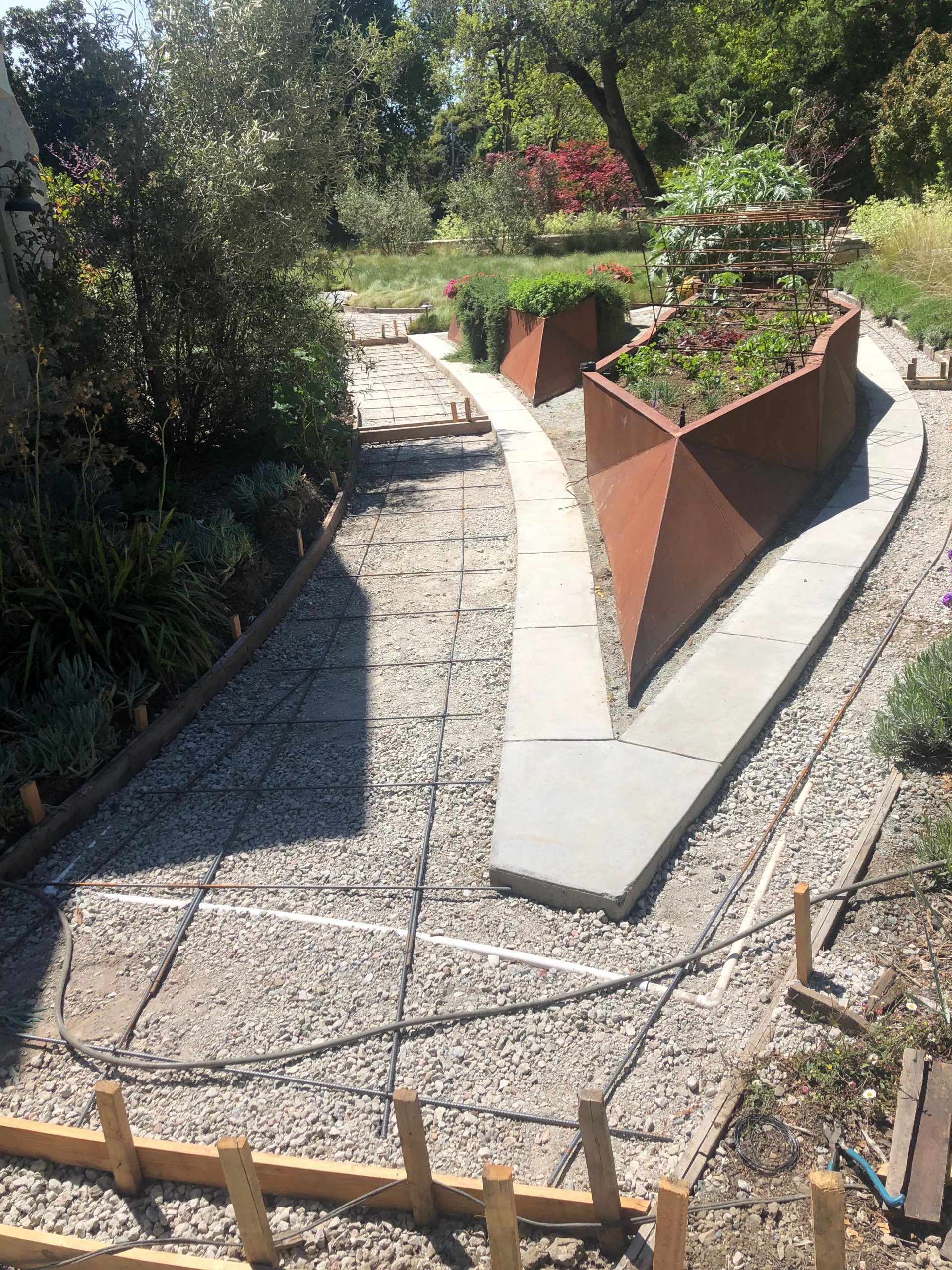
Concrete pavement uses cement-based material combined with aggregates and water to form a rigid surface. Once properly placed and cured, concrete can provide a durable pavement system for many commercial applications.
Unlike asphalt, concrete distributes vehicle loads through a relatively rigid slab. Consequently, it may perform well in areas exposed to heavy vehicles, concentrated loads, or repeated turning movements when the pavement is appropriately designed.
However, concrete is not automatically the better choice for every commercial property. Its performance depends on slab thickness, reinforcement where required, joint design, subgrade preparation, drainage, and construction quality.
Important advantages of concrete paving include:
- Durable surface performance: Properly designed concrete can withstand substantial traffic and loading demands.
- Resistance to deformation: Concrete generally resists rutting caused by repeated vehicle loads better than conventional asphalt.
- Light-colored appearance: Its lighter surface can improve visibility under certain lighting conditions.
- Potentially lower routine surface maintenance: Concrete may not require the same type of periodic sealcoating used for asphalt.
- Design versatility: Concrete can be used for parking spaces, walkways, loading areas, and selected hardscape features.
- Long service potential: With suitable design, construction, and maintenance, concrete pavement can provide many years of use.
On the other hand, concrete typically requires careful curing before it can support its intended traffic. Additionally, repairs can be more involved when a slab develops significant cracking, settlement, or joint deterioration.
To explore this option, visit Jobco Paving’s commercial concrete paving services.
Asphalt vs. Concrete: A Commercial Parking Lot Comparison
Although both materials can serve commercial properties effectively, their differences become clearer when evaluated according to installation, maintenance, traffic requirements, and long-term costs.
The following table summarizes the primary considerations.
| Comparison factor | Asphalt paving | Concrete paving |
| Initial installation cost | Often lower, depending on the project | Often higher, depending on design and site conditions |
| Installation timeline | Often relatively quick | Requires placement and adequate curing time |
| Traffic loading | Suitable when properly designed for expected traffic | Often advantageous for heavy loads and concentrated turning |
| Surface appearance | Dark, uniform finish | Typically lighter-colored finish |
| Routine maintenance | May require crack repairs and periodic sealcoating | Requires joint inspection and appropriate crack repairs |
| Rutting resistance | Can deform under excessive loads or high pavement temperatures | Generally resists conventional rutting |
| Repair considerations | Localized repairs and overlays may be practical | Slab repairs may require more extensive work |
| Drainage requirements | Proper grading and drainage remain essential | Proper grading, joints, and drainage remain essential |
| Long-term performance | Depends on traffic, construction, and maintenance | Depends on design, concrete quality, and maintenance |
| Potential applications | Parking lots, access lanes, and driveways | Parking areas, loading zones, walkways, and hardscapes |
However, these comparisons are general rather than guarantees. A well-designed asphalt parking lot can outperform poorly constructed concrete, just as properly engineered concrete can be a strong choice for demanding commercial applications.
Therefore, property owners should evaluate the specific site instead of choosing a material based only on its general reputation.
Which Material Is More Cost-Effective for Bay Area Properties?
For many commercial property owners, cost is one of the most important considerations. Nevertheless, the cheapest installation does not necessarily provide the best long-term value.
Instead, compare the initial construction cost with expected maintenance, repair requirements, downtime, and the anticipated service life of the pavement.
Asphalt may offer a lower initial investment in many circumstances. Consequently, it can be appealing for businesses that need to control upfront expenses or want a surface that can be repaired and resurfaced as needed.
Concrete, meanwhile, may justify its higher initial cost in locations where heavy loading, repeated turning, or frequent stopping places additional demands on the pavement. Furthermore, reduced exposure to certain forms of deformation may be valuable in loading zones and other high-stress areas.
Consider the following examples:
Example 1: A neighborhood retail parking lot
A retail property with regular passenger-vehicle traffic may benefit from asphalt because it can offer a practical balance between installation cost, appearance, and repair flexibility. However, delivery routes and dumpster areas may need additional consideration.
Example 2: A commercial loading area
A distribution facility with frequent truck movements may benefit from appropriately designed concrete in areas exposed to concentrated loads and turning forces. Nevertheless, the subgrade, slab thickness, joints, and drainage must be engineered for the intended use.
Example 3: A mixed-use commercial property
A property containing customer parking, pedestrian walkways, and a loading area may benefit from a combination of materials. For instance, property owners can use asphalt for general parking spaces and concrete for selected high-stress areas.
Ultimately, a site-specific estimate is the best way to compare costs. Ask the contractor to identify preparation work, pavement thickness, drainage improvements, marking requirements, and anticipated maintenance needs.
How Bay Area Weather and Site Conditions Affect Paving Choices
The Bay Area includes diverse environmental conditions. For example, some properties experience coastal moisture and fog, while others encounter warmer inland temperatures, sloped terrain, or substantial seasonal rainfall.
Therefore, paving decisions should account for local conditions rather than relying on a single material recommendation.
Rainfall and drainage
During the rainy season, water can enter pavement cracks and weaken supporting materials. Consequently, proper grading, drainage, and prompt repairs are important for both asphalt and concrete parking lots.
Temperature changes
Asphalt can soften during hot weather, particularly when it is poorly designed for the traffic and temperatures involved. Conversely, concrete can experience shrinkage and temperature-related movement, making appropriate joint design and curing essential.
Coastal moisture
Properties near the coast may experience persistent moisture and exposure to salt carried by marine air. Therefore, material selection, drainage, surface condition, and maintenance should reflect the property’s actual environment.
Sloped properties
Some Bay Area commercial sites have sloped access roads or uneven terrain. In these locations, grading, erosion control, runoff management, and pavement support become especially important.
Heavy vehicle traffic
Delivery trucks, refuse collection vehicles, and service vehicles can create concentrated loads and turning stresses. Consequently, pavement design should account for the heaviest vehicles expected to use the property, not merely the number of passenger cars.
By considering these factors early, property owners can reduce the risk of premature pavement deterioration and avoid unnecessary repair expenses.

Maintenance Requirements: Asphalt vs. Concrete
Regardless of the material you choose, regular maintenance can help preserve the parking lot’s appearance, functionality, and safety.
However, asphalt and concrete require different maintenance approaches.
Asphalt Parking Lot Maintenance
Asphalt maintenance commonly includes crack sealing, localized patching, surface inspections, and periodic sealcoating when appropriate.
Sealcoating can help protect suitable asphalt surfaces from oxidation, weather exposure, and surface wear. However, it does not repair structural failures or eliminate the need for proper drainage.
Therefore, property owners should inspect their parking lots regularly and address developing problems before water infiltration or traffic causes more extensive damage.
Jobco Paving provides asphalt driveway sealcoating services. Although the linked service focuses on driveways, sealcoating is also a relevant maintenance topic when evaluating suitable asphalt protection options for commercial properties.
Concrete Parking Lot Maintenance
Concrete maintenance focuses on inspecting cracks, joints, surface deterioration, drainage, and areas where settlement may occur.
For example, deteriorated joint sealants can allow water and debris to enter pavement joints. Consequently, inspecting and maintaining joints can help preserve the pavement system.
Additionally, damaged slabs may require specialized repairs or replacement, depending on the severity and underlying cause of the problem.
Unlike asphalt, concrete generally does not require routine sealcoating in the same manner. Nevertheless, certain concrete surfaces may benefit from compatible sealers or other protective treatments based on exposure and intended use.
The most appropriate maintenance schedule depends on the material, traffic, climate, construction quality, and observed condition.
Could Paving Stones or Hardscaping Be Better for Some Areas?
Although asphalt and concrete are common choices for commercial parking lots, other paving materials can be appropriate for selected outdoor spaces.
For example, paving stones may suit decorative entrances, pedestrian areas, courtyards, and designated landscape features. Furthermore, they can provide a distinctive appearance that complements commercial architecture.
However, paving stones are not automatically the best solution for large parking lots. Their installation costs, base preparation, joint requirements, maintenance needs, and suitability for vehicle loading must all be considered.
Jobco Paving offers several related services that property owners can explore when planning commercial exterior improvements.
- Commercial masonry paving stones may be worth exploring for selected commercial paving and decorative applications.
- Concrete hardscape services provide another option to consider for functional outdoor surfaces and site improvements.
- Paving stones and hardscape solutions may help property owners explore complementary paving options for designated outdoor areas.
Nevertheless, the intended use of each surface should guide material selection. Heavy truck routes and large parking areas have different requirements from decorative walkways or landscaped entrances.
How to Choose the Right Paving Contractor for Your Commercial Property
Even the best paving material can fail prematurely if it is installed on an inadequately prepared base or without suitable drainage. Therefore, choosing an experienced contractor is just as important as choosing between asphalt and concrete.
Before proceeding, evaluate the contractor’s experience with similar commercial projects, proposed construction methods, and ability to explain the scope of work.
Use this checklist when comparing paving proposals:
- Site evaluation: Confirm that the contractor will assess existing pavement, drainage, grading, and subgrade conditions.
- Traffic requirements: Explain the types of vehicles that will use the parking lot.
- Material specifications: Request details about pavement thickness, mix or concrete specifications, and other relevant design requirements.
- Drainage planning: Confirm how surface runoff will be managed.
- Cost breakdown: Review preparation, materials, labor, marking, disposal, and other relevant expenses.
- Project scheduling: Discuss how construction will affect customers, employees, deliveries, and access.
- Maintenance guidance: Ask how the finished pavement should be inspected and maintained.
- Licensing and insurance: Verify applicable California contractor licensing and appropriate insurance coverage.
Moreover, request a written proposal that identifies exclusions, anticipated milestones, and procedures for handling unforeseen conditions.
By comparing proposals on an equivalent basis, you can make a more informed decision and avoid selecting a contractor solely because of a lower initial quote.
Long-Term Surface Protection for Commercial Parking Lots
Once your parking lot is installed, a consistent maintenance strategy can help protect your investment. However, maintenance should be based on the pavement’s actual condition rather than an arbitrary schedule alone.
For example, regular inspections can identify developing cracks, standing water, damaged markings, and localized surface deterioration. Consequently, property managers can prioritize repairs before minor problems become more disruptive.
Additionally, parking lots should be inspected after significant weather events or whenever heavy traffic exposes potential weaknesses.
A practical maintenance plan may include:
- Inspecting the pavement for cracks, potholes, settlement, and drainage problems.
- Removing debris that may obstruct drainage systems.
- Repairing damaged areas using methods appropriate for the pavement material.
- Maintaining visible parking lines, directional markings, and accessibility markings.
- Reviewing pavement condition periodically to plan future repairs or resurfacing.
- Keeping records of inspections, maintenance, and completed work.
Jobco Paving provides maintenance and surface protection services that property owners can explore when considering ways to maintain paved surfaces.
Ultimately, preventative maintenance can help property managers plan expenses more effectively, preserve a professional appearance, and reduce avoidable disruptions.
Frequently Asked Questions About Asphalt vs. Concrete Commercial Parking Lots
1. Is asphalt or concrete better for commercial parking lots in the Bay Area?
Neither material is universally better. Asphalt may be suitable for general parking areas where installation cost and repair flexibility are priorities. Conversely, concrete can be advantageous in selected heavy-load areas or locations subject to frequent turning. The best option depends on traffic, site conditions, drainage, budget, and maintenance expectations.
2. Is asphalt cheaper than concrete for a commercial parking lot?
Asphalt often has a lower initial installation cost. However, actual prices depend on site preparation, pavement thickness, material specifications, drainage, labor, and project size. Therefore, compare detailed estimates rather than assuming one material will always cost less.
3. Which parking lot material lasts longer?
Both materials can provide long service when properly designed, installed, and maintained. Concrete may offer a longer service life in some applications, while asphalt can remain functional for many years with appropriate maintenance and resurfacing. Actual performance depends on traffic, environmental exposure, construction quality, and repair history.
4. Does asphalt require more maintenance than concrete?
Asphalt commonly requires periodic crack repairs and may benefit from sealcoating. Concrete generally requires attention to joints, cracks, and localized deterioration. Nevertheless, both materials require inspections and timely repairs to help maintain performance.
5. Is concrete better for commercial parking lots with heavy trucks?
Concrete can be a strong option for areas exposed to heavy trucks, concentrated loads, and repeated turning. However, the pavement must be designed for the expected traffic and supported by a suitable base. Properly engineered asphalt can also serve demanding applications, depending on the design and site conditions.
6. How does rain affect asphalt and concrete parking lots?
Water can damage both pavement types when drainage is poor or water enters cracks and joints. Consequently, suitable grading, drainage systems, timely repairs, and proper construction are essential for minimizing water-related deterioration.
7. Can asphalt and concrete be used in the same commercial property?
Yes. A mixed-material approach may be practical for properties with different traffic requirements. For example, property owners can use asphalt for general parking areas and concrete for selected loading zones or other high-stress locations. However, contractors must carefully design the transitions between these materials.
8. How often should a commercial parking lot be inspected?
The appropriate inspection frequency depends on traffic, pavement condition, weather exposure, and the property’s operational requirements. Regular scheduled inspections, along with checks after significant weather events, can help identify problems before they become more expensive to repair.
9. Can an existing asphalt parking lot be resurfaced instead of replaced?
Resurfacing may be possible when the existing pavement and its supporting structure remain suitable. However, widespread structural damage, significant settlement, or persistent drainage problems may require more extensive rehabilitation. A professional assessment can help determine the appropriate approach.
10. What should I ask a paving contractor before starting a project?
Ask about site preparation, pavement specifications, drainage, project scheduling, permits where applicable, cost inclusions, maintenance requirements, and warranties. Additionally, verify applicable licensing and insurance, and request a detailed written proposal before authorizing the work.
Make an Informed Paving Decision With Jobco Paving
Choosing between asphalt and concrete for a commercial parking lot requires a clear understanding of your property’s needs. Although asphalt may offer practical installation and repair advantages, concrete can provide valuable performance benefits in areas exposed to heavy loads and repeated turning.
However, the right solution depends on more than the surface material. Subgrade preparation, drainage, pavement thickness, traffic patterns, construction quality, and maintenance all influence long-term performance.
For Bay Area property owners, the most effective approach is to evaluate the site, compare material specifications, and consider both initial costs and long-term maintenance requirements.
Jobco Paving offers paving, concrete, hardscape, and surface maintenance services that property owners can explore when planning their next project.
Ready to plan your commercial paving project? Visit Jobco Paving’s maintenance and surface protection page to explore related services, and contact the company directly to discuss your property’s paving requirements and request a project-specific estimate.
With thoughtful planning and the right pavement design, you can create a commercial parking lot that supports daily operations, provides a professional appearance, and serves your property for years to come.
Recommended SEO settings
- Focus keyword: Asphalt vs. Concrete for Commercial Parking Lots: Which Is Better for Bay Area Properties?
- SEO title: Asphalt vs. Concrete for Commercial Parking Lots in the Bay Area
- Meta description: Compare asphalt vs. concrete for commercial parking lots in the Bay Area. Explore costs, durability, maintenance, drainage, and paving options with Jobco Paving.
- URL slug: asphalt-vs-concrete-commercial-parking-lots-bay-area
- Suggested category: Commercial Paving / Asphalt & Concrete
- Search intent: Informational with commercial investigation
SEO note: This article is written in original wording, with all seven supplied internal links embedded in relevant anchor text. Transition phrases are used throughout; however, exact transition-word percentages and search rankings depend on the SEO analysis tool and its counting method.